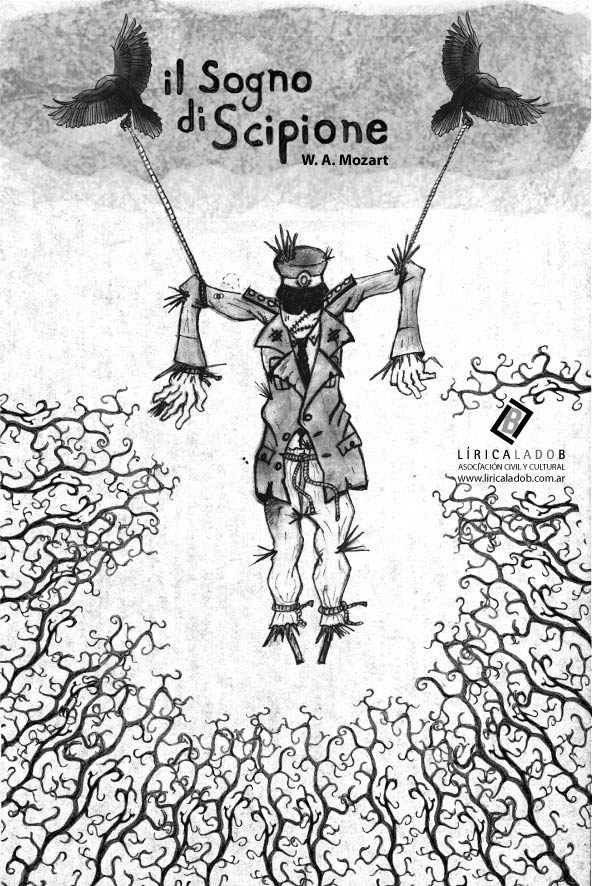
Il sogno di Scipione
Wolfgang Amadeus Mozart
Stage Direction
Il sogno di Scipione is one of Wolfgang Amadeus Mozart’s earliest stage works, an azione teatrale based on Pietro Metastasio’s libretto inspired by Cicero’s Somnium Scipionis. Structured as an allegorical dream, the opera explores ethical choice, constancy and the tension between virtue and fortune. Presented as the first fully staged production of the work in Argentina, this production reimagined Mozart’s early opera through a contemporary visual language, transforming its symbolic journey into an exploration of memory, identity and the fragile boundary between reality and dreams.
Lírica Lado B
Hasta Trilce Theatre · Buenos Aires · 2013
Documentation
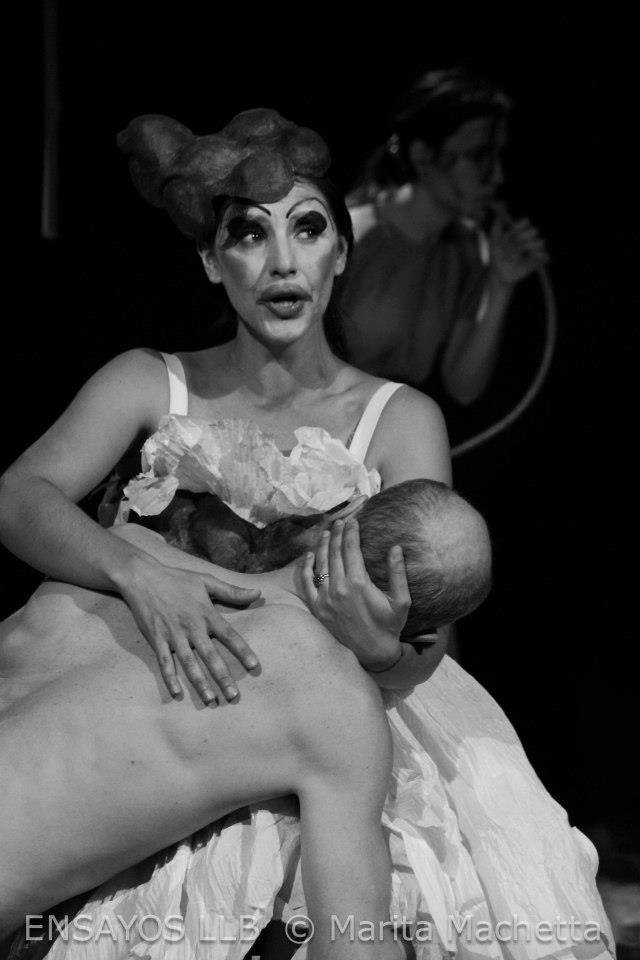
Context and Artistic Process
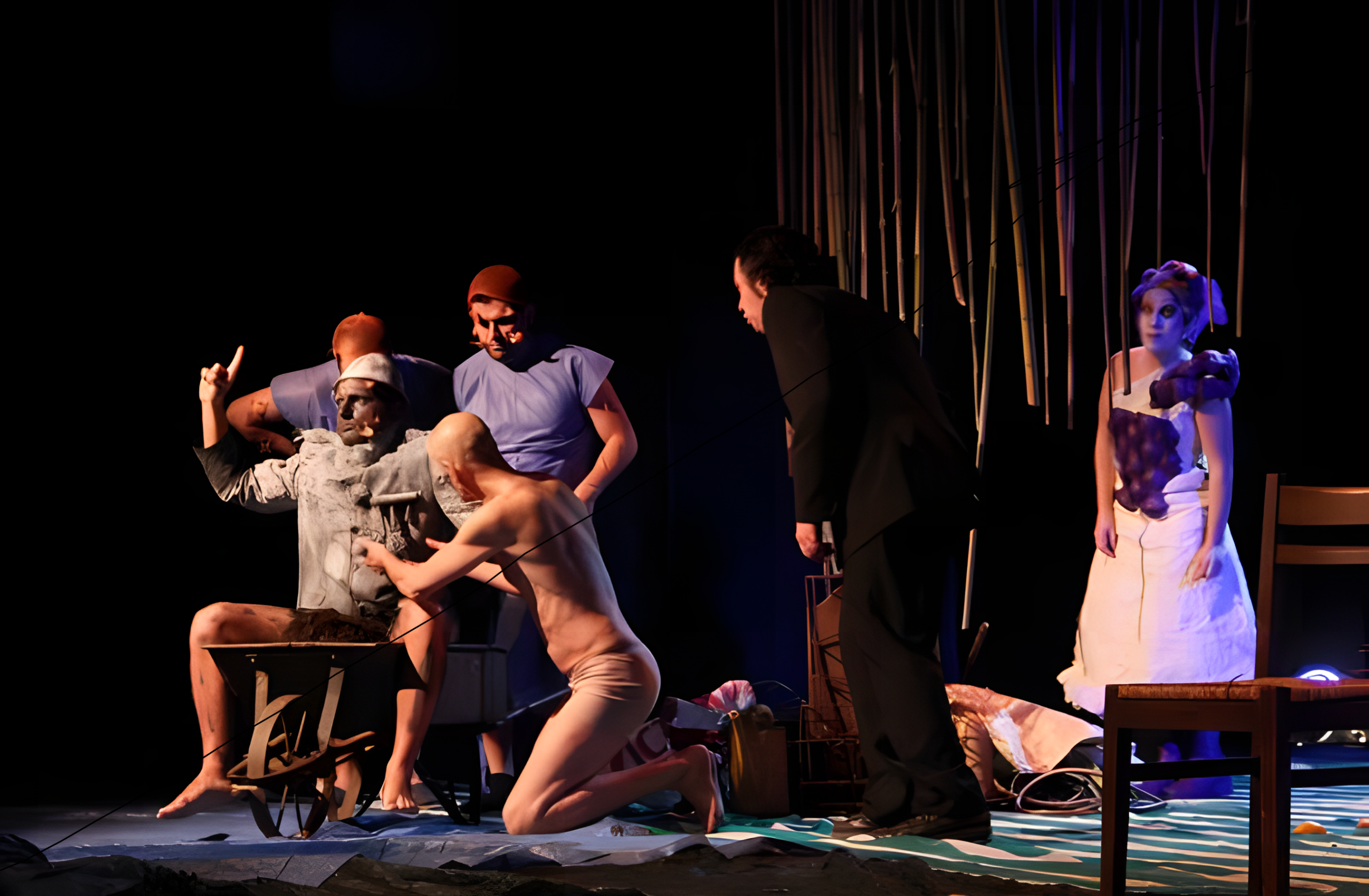
Il sogno di Scipione was presented for the first time in Argentina by Lírica Lado B, as part of the company’s commitment to recovering rarely performed works from the operatic repertoire. Rather than approaching Mozart’s early azione teatrale as a static allegory, the production explored its dream structure as a space of memory, transformation and inner conflict.
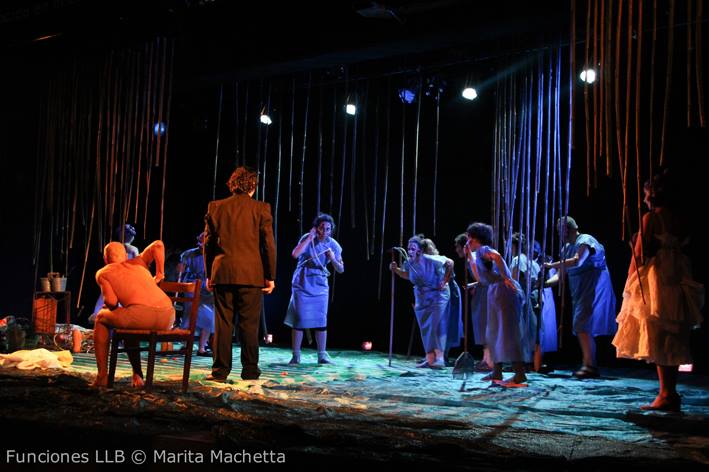
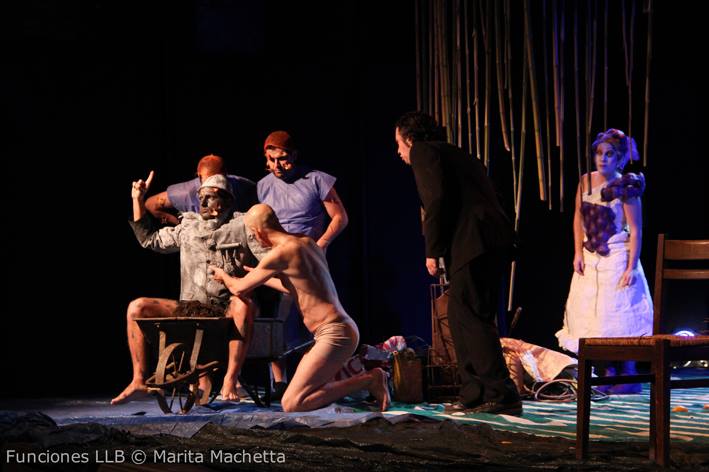
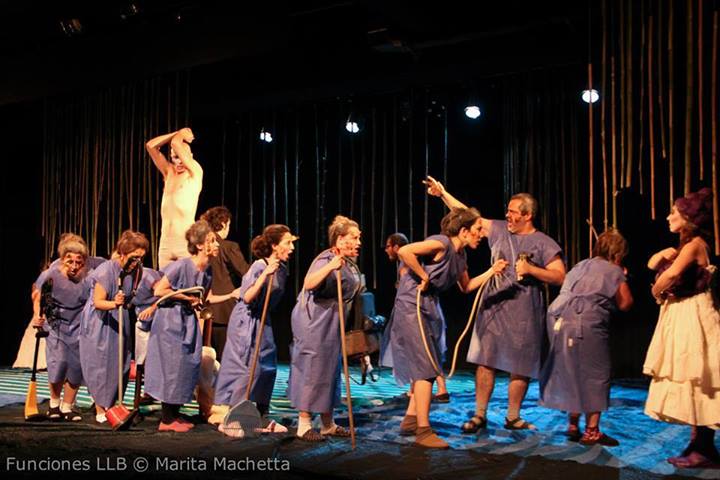
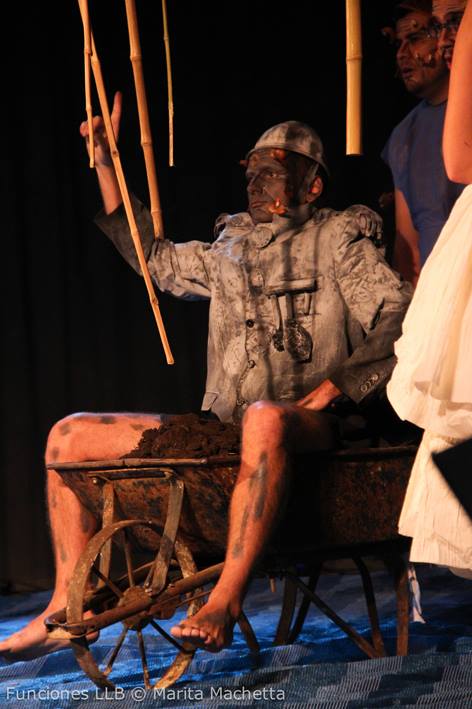
The staging transformed Scipione’s celestial vision into an abandoned garden inhabited by the souls of past heroes and the figures that guide his journey: the gods Fortuna and Costanza, and his ancestors. This imagined “heaven” was conceived through the metaphor of a geriatric garden — a place where the memory of those who shaped history remains alive, suspended between presence and absence.
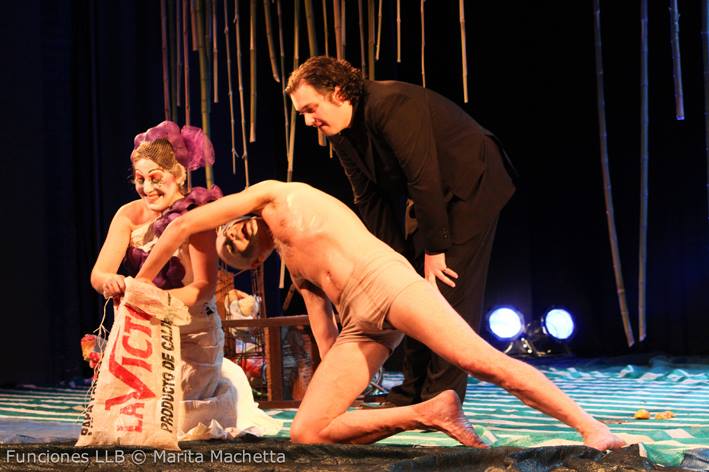
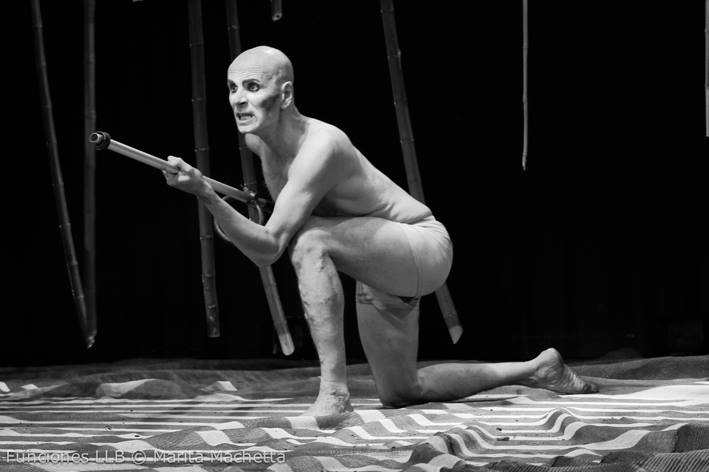
The entire visual universe was created using recycled materials and everyday gardening objects, which became both scenic elements and sources of theatrical action. Tools, plants, structures and textures from the world of gardening shaped the environment of the dream, creating a poetic landscape where the characters’ movements emerged from the relationship between body, object and space.
A central dramaturgical device of the production was the separation between Scipione’s voice and physical presence: an actor embodied his movements and stage experience while the singer performed the vocal part, revealing the fragmentation and instability of the dream state.
Developed for the intimate space of Hasta Trilce Theatre, the production embraced a close relationship between performers and audience while working from a process based on creativity, adaptation and material exploration. The visual language, movement and scenography were conceived as interconnected elements, creating a contemporary reading of Mozart’s early opera while remaining rooted in the symbolic world of the original work.
As a member of Lírica Lado B’s permanent artistic collective, I contributed not only in my credited artistic role on this production, but also to the company’s collaborative practice through production planning, organizational coordination and artistic development.
Press
“German Ivancic’s stage direction had to create almost everything from nothing”
Operadesdehoy – Enrique Sirven
Credits
Il sogno di Scipione
Wolfgang Amadeus Mozart
Libretto: William Plomer
Inspired by Sumidagawa by Jūrō Motomasa (Noh theatre)
Production: Lírica Lado B
Stage Direction: German Ivancic
Musical Direction: Camilo Santostefano
Cast
Actor: Hernán Crida
Constancia: Selene Lara y Natalia Salardino
Emilio: Christian Casaccio y Alejo Ruiz
Fortuna: Patricia Villanova y Laura Bjelis
Licenza: Flavia Memmo y María Clara Maiztegui
Publio: Pablo Urban y Matías Tomasetto
Scipione: Maximiliano Agatiello y Gabriel García (cover)
Orchestra Lírica Lado B
César Oscar Castro: Clarinete
Facundo Ordóñez: Contrabajo
Facundo Sacco: Violín
Gonzalo Braz: Clarinete
Gonzalo Doisenbant: Violín
Gustavo Giménez: Flauta
Juan Lapola: Viola
Mailen Ubiedo Myskow: Violín
Malena Marama: Violín
Marcela Mazzoni: Violín
Mariana Álvarez Clemente: Violín
Mariana Ferrer: Violoncello
Martín Sotelo: Continuista
Mónica Fucci: Fagot
Nevy Felipe Mendoza Rivera: Trompeta
Nicolás Castillo: Violín (Concertino)
Pablo Alvarez: Clarinete
Pablo De Nucci: Violoncello
Susana Martínez: Viola
Tamara Bolla: Violín
Valeria Bosio: Flauta
Xavier Fernández: Corno
Chorus LÍRICA LADO B
Agustín Vanucci, Andrea Burla, Ericka Cussy Alcon, Damián Balderrama, Laura Echegoyen, Laura Ferrarini, Lourdes Achával, Lucia Rimoldi, Luis Rino, Mercedes Atadia, Sabrina Daniela Ferrara, Tamara Jazmín Odón, Viviana Inés Martinez
Production Credits
Adriana Zerdin: Asistente de producción
Alan Puyol: Pianista en preparación de obra
Alejandro Spies: Producción
Andrea Bouhier: Coordinación de producción / Prensa
Andrea Burla: Registro audiovisual / Producción
Camilo Santostefano: Director musical
Cecilia Magno: Diseño y realización visual (Escenografía)
Cristian Domini: Diseño de Iluminación
German Ivancic: Director de escena
Laura Bronzini: Maquillaje
Lorena Bufidis : Asistente en vestuario y escenografía
Lourdes Achával: Diseño y realización visual (Caracterización)
Macarena Cespedes: Asistente en vestuario y escenografía
Mariana Ferrer: Asistente de dirección musical
Mariano Ivancic: Diseño gráfico
Marita Machetta: Fotografía / Producción
Martín Sotelo: Maestro preparador
Melisa Cortese da Rosa: Pianista en preparación de obra
Pamela Puertas: Diseño y realización visual (Escenografía)
Sabrina Vazquez: Asistente en vestuario y escenografía
Sebastián Achenbach: Pianista en preparación de obra
Silvana Castro: Diseño y realización visual (Escenografía)
Silvina De la Fuente: Maquillaje
Sonia Irene Massone: Asistente de dirección / Coreógrafa
Virginia de los Santos: Diseño y realización visual (Vestuario)