Cendrillon
Pauline Viardot
Stage Direction · Dramaturgy and Libretto Adaptation
Overview
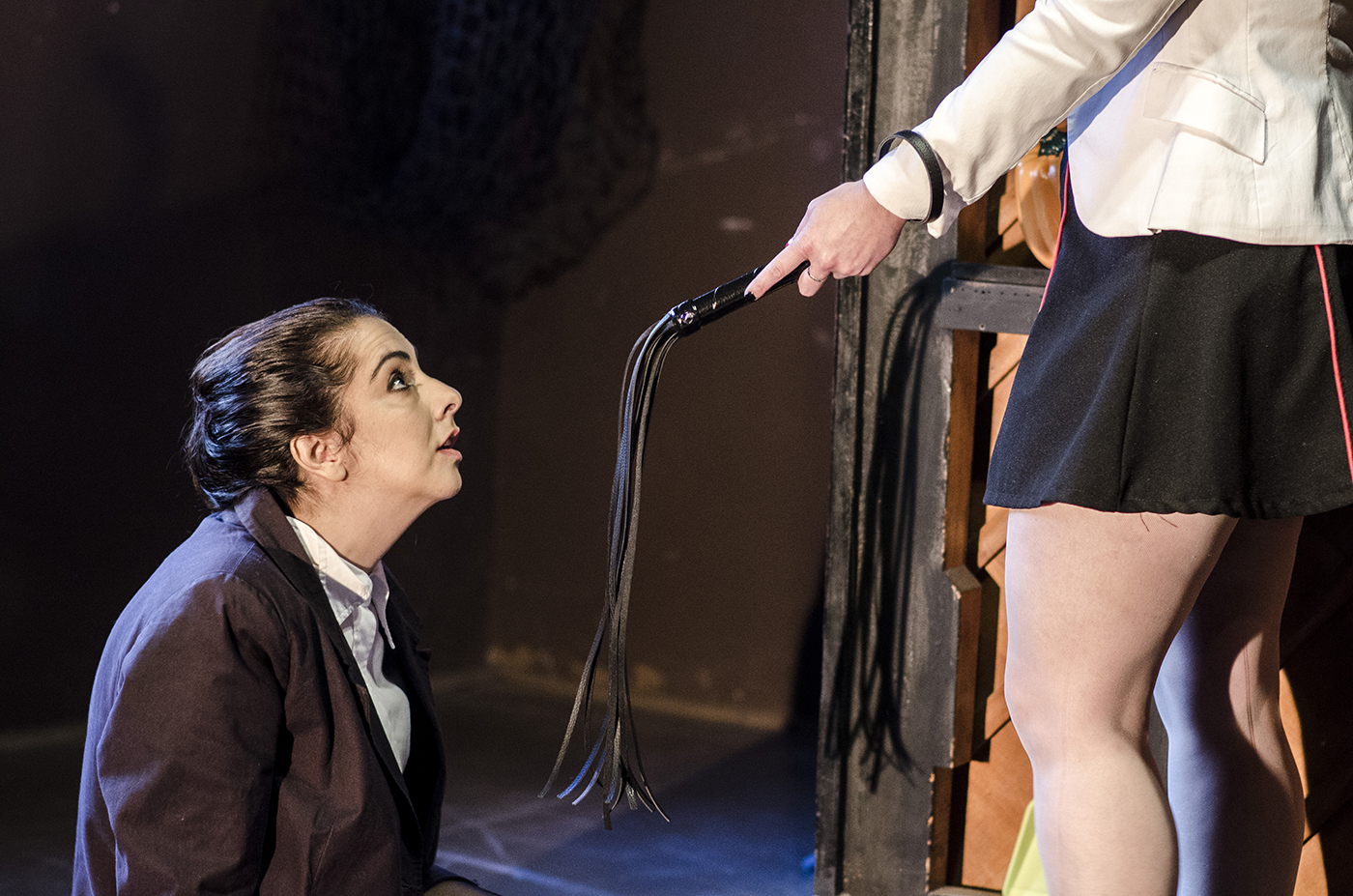
Cendrillon is Pauline Viardot’s chamber opera inspired by the Cinderella tale. Conceived for piano, the work offered an opportunity to rethink opera within the scale of an independent theatre while recovering the voice of one of the few women composers of the nineteenth century. Presented as the Argentine premiere of the work, the production proposed a contemporary reading of the classic fairy tale through collective creation, gender fluidity and the transformation of conventional operatic forms.
Barbados, artes escénicas
Machado Teatro · Buenos Aires · 2016–2017
Documentation
Context and Artistic Process
The production emerged from two central questions: how to produce opera within the conditions of an independent theatre, and how to revisit Cinderella from a contemporary perspective without simply updating its setting. The project embraced the intimacy of Machado Teatro, transforming the proximity between performers and audience into an essential dramaturgical element. Opera became an experience embedded in the neighbourhood, where spectators encountered the performance beyond the traditional rituals associated with lyric theatre.
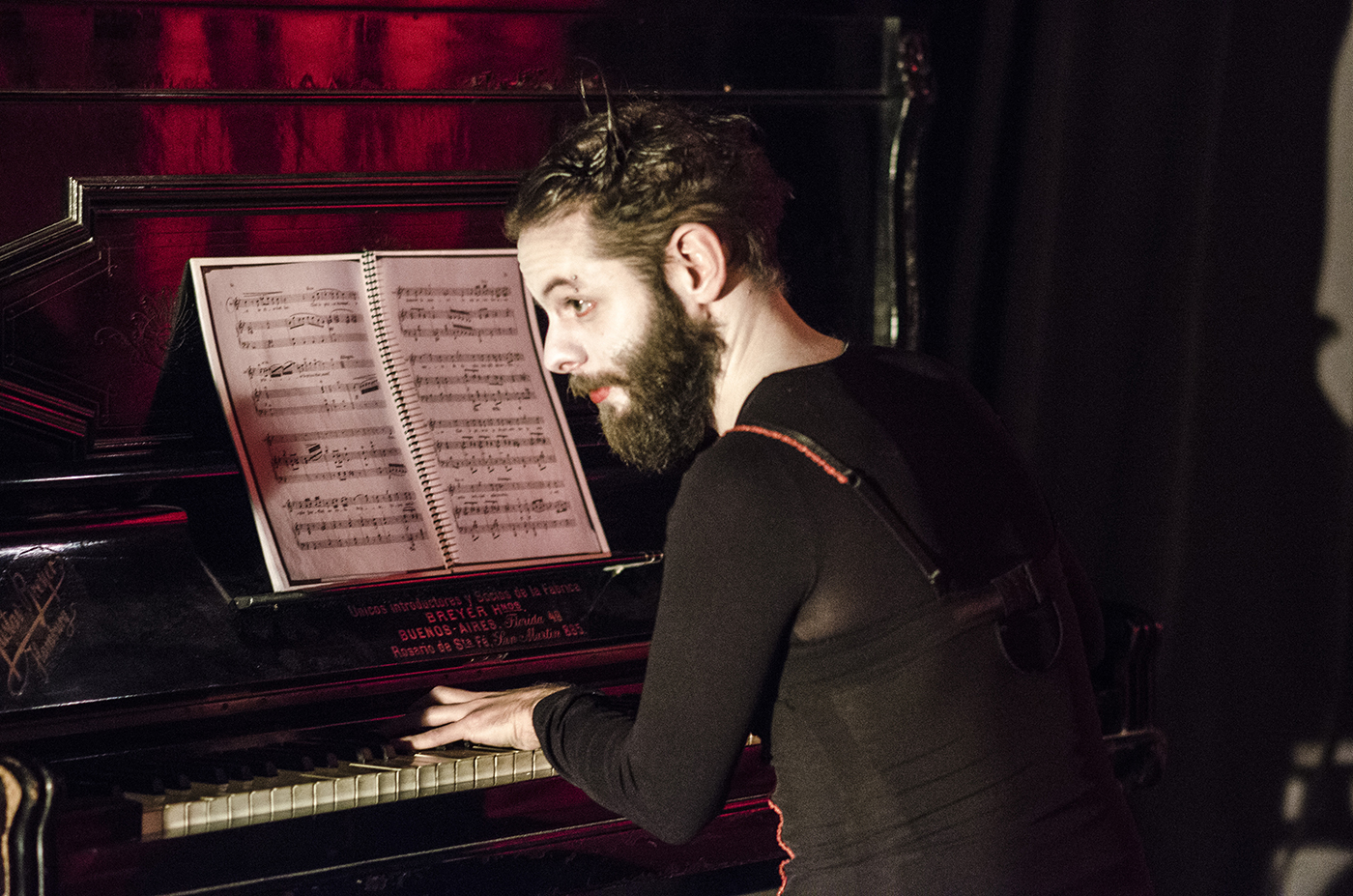
Developed in close collaboration with musical director Juan Pablo Llobet Vallejos, the creative process rejected the conventional separation between musical preparation and stage direction. Musical and dramatic decisions evolved simultaneously through rehearsals, allowing performers to actively shape the work. The production was built through collective experimentation, where scenic proposals, musical interpretation and performer agency continuously informed one another rather than following a hierarchical model.
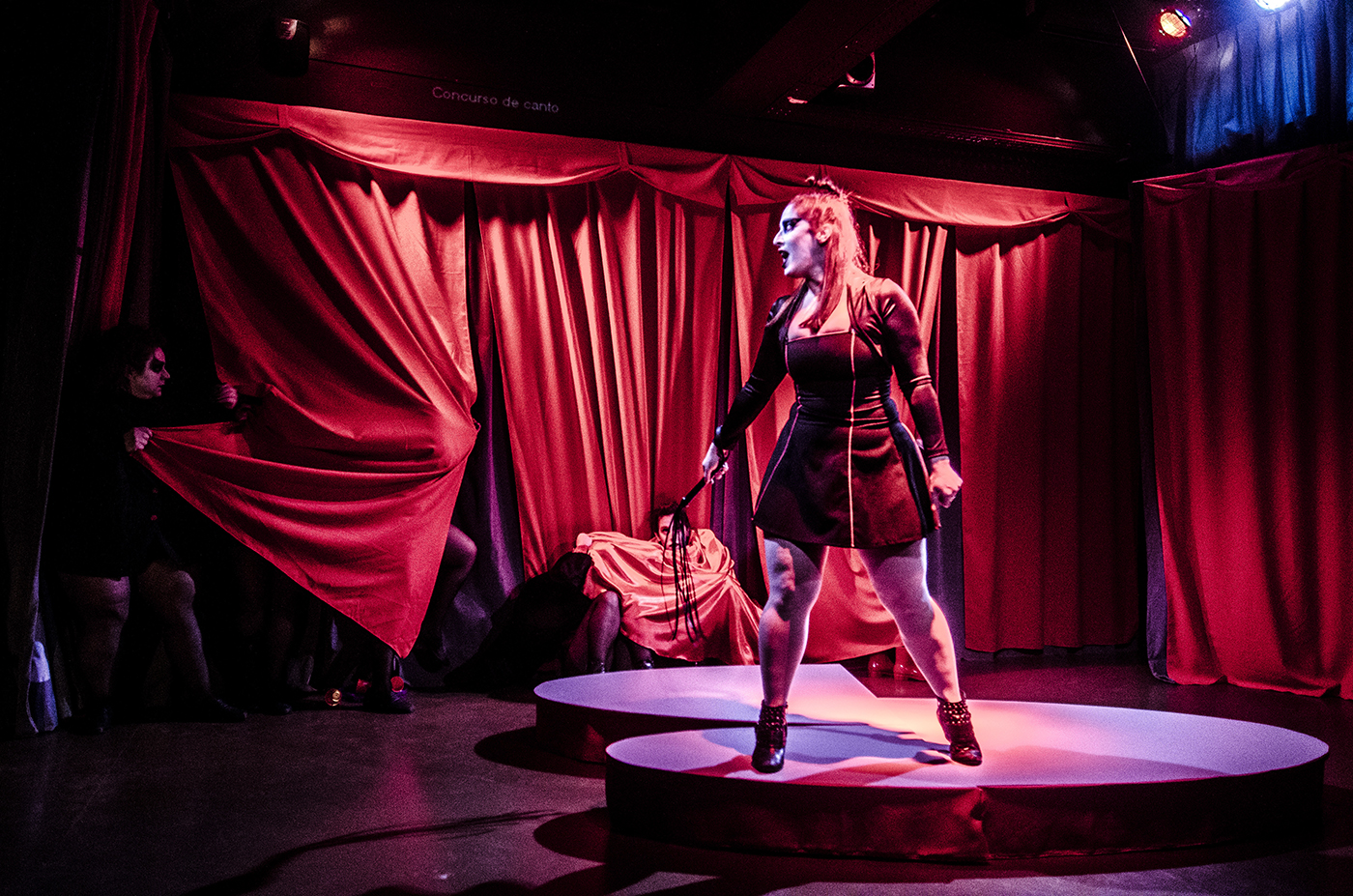
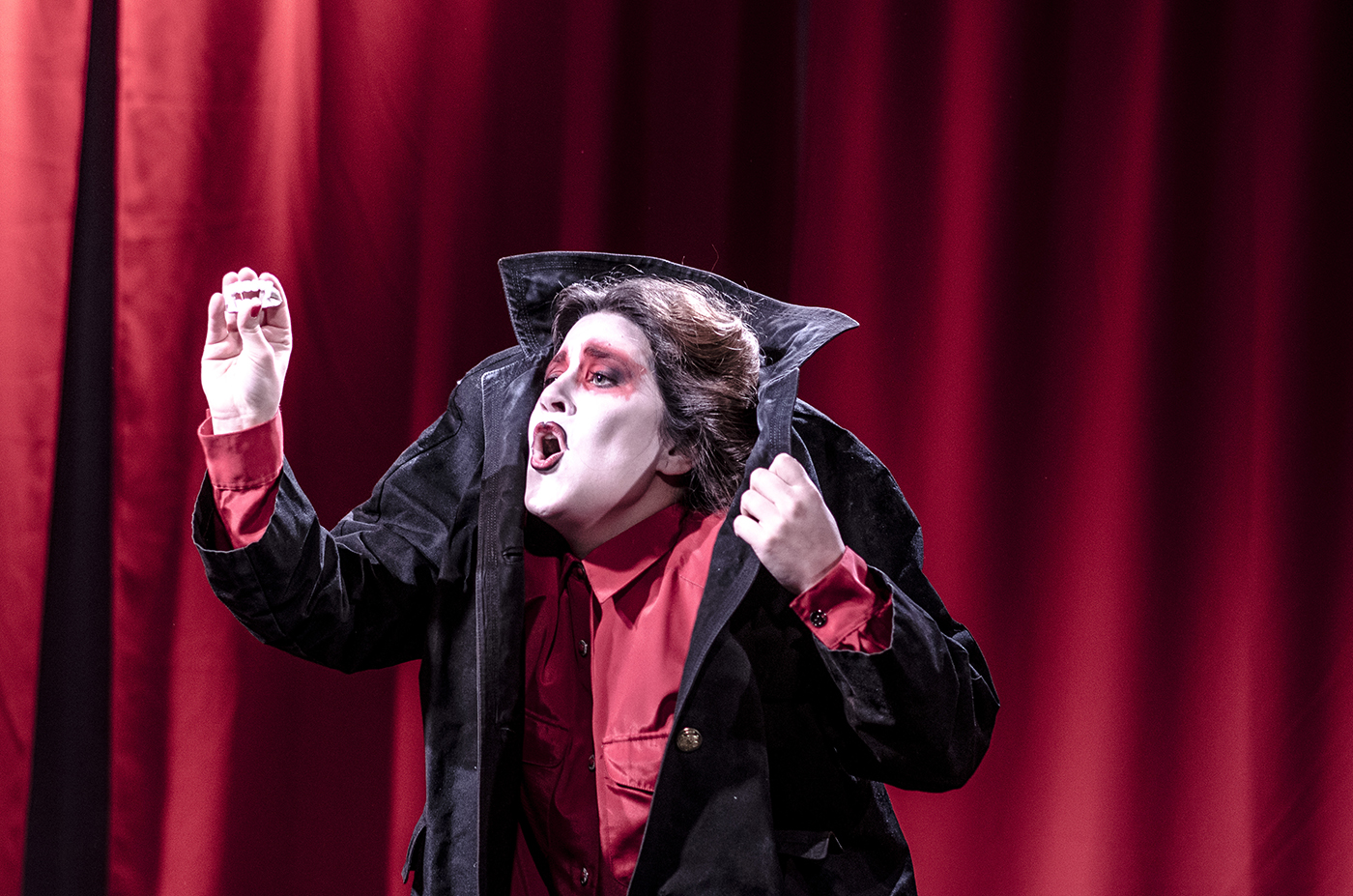
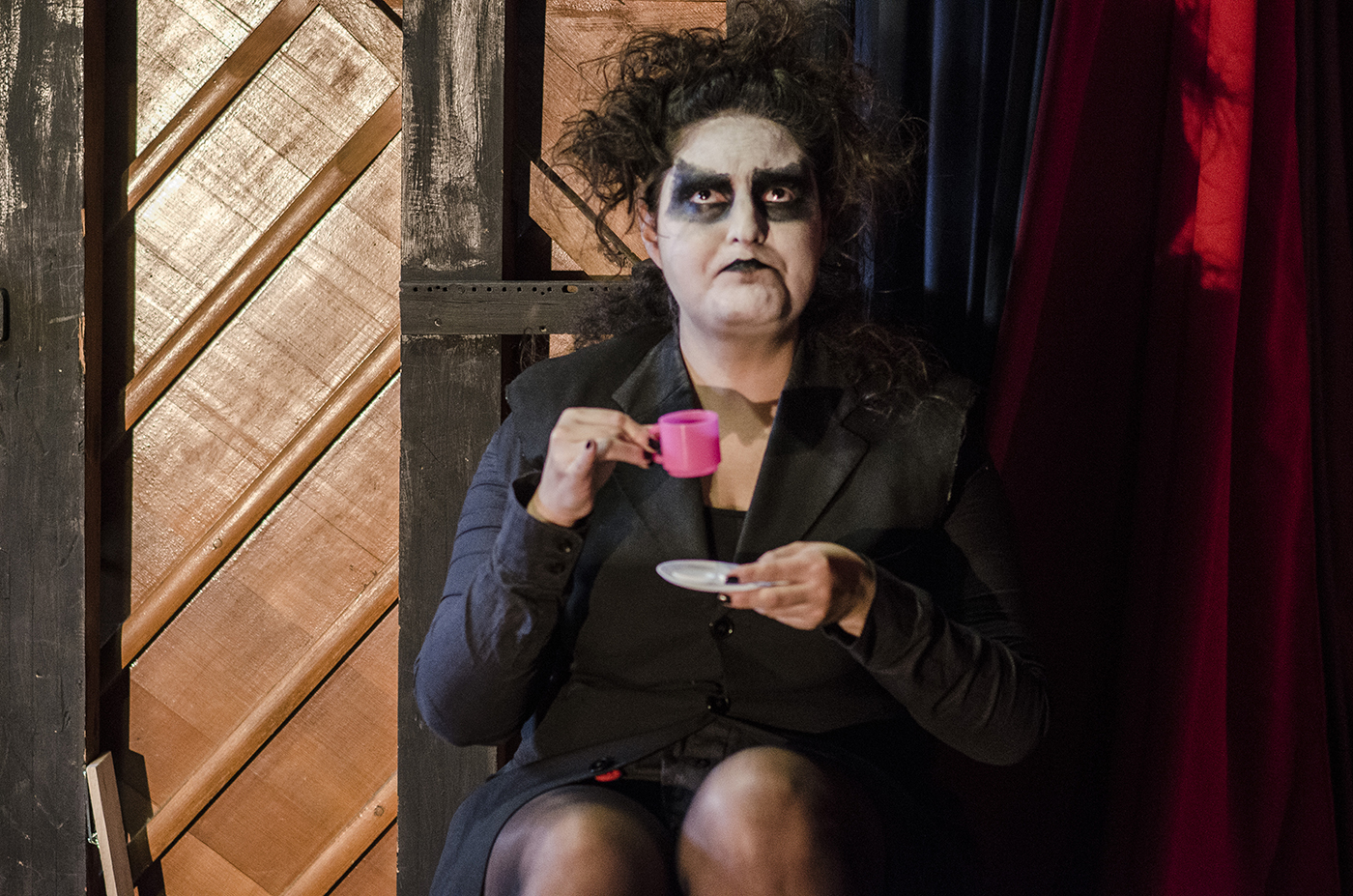
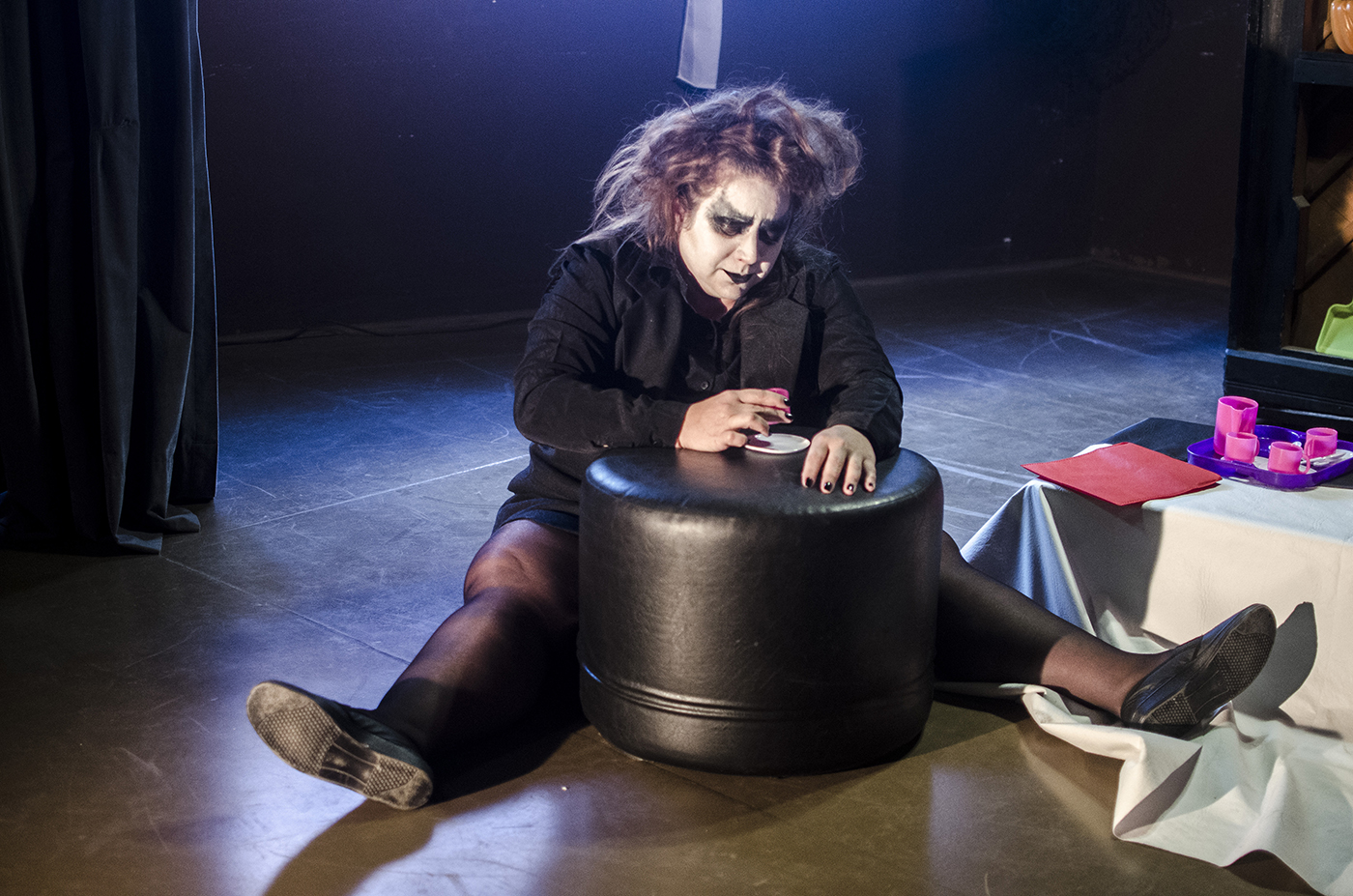
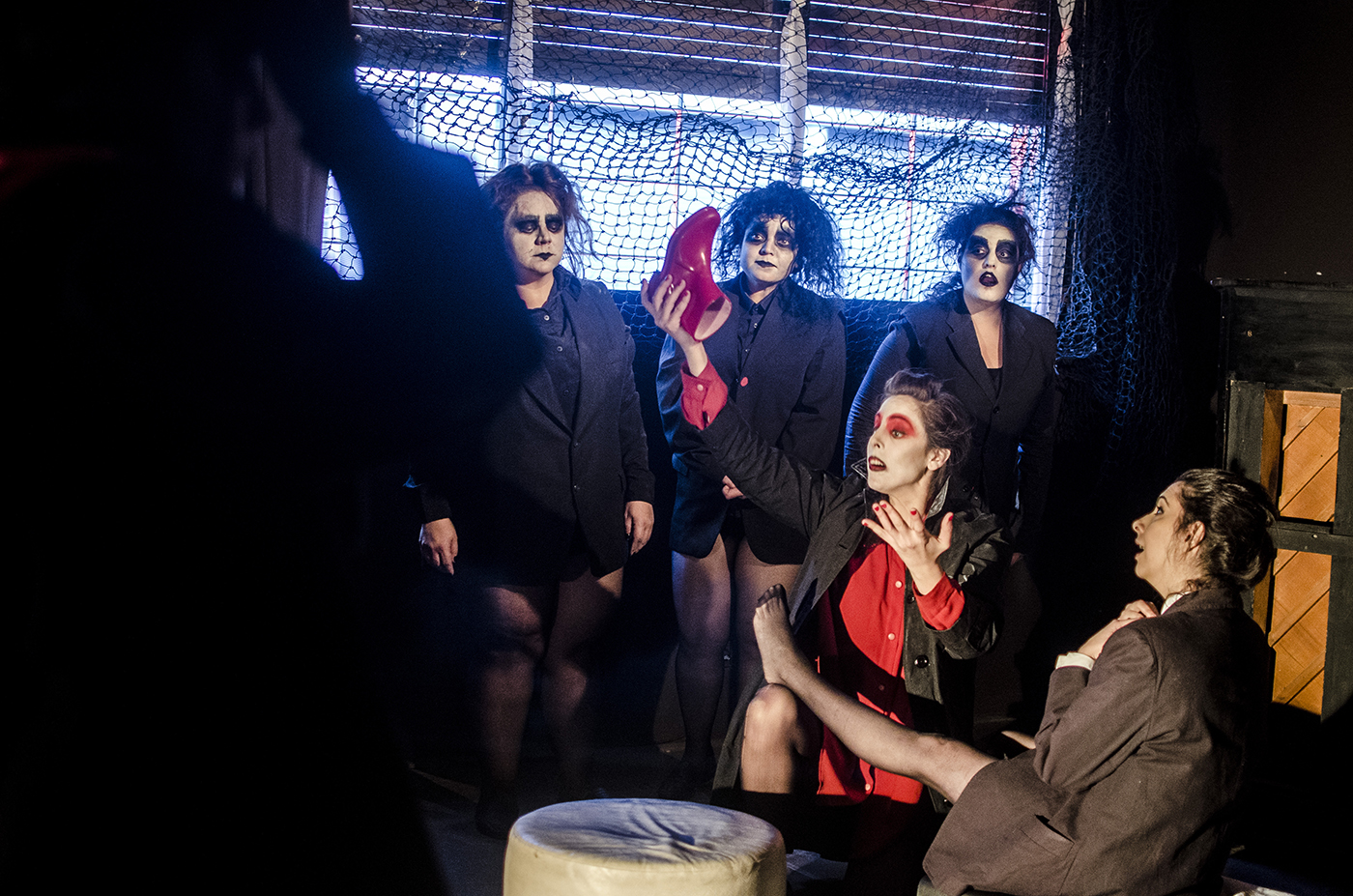
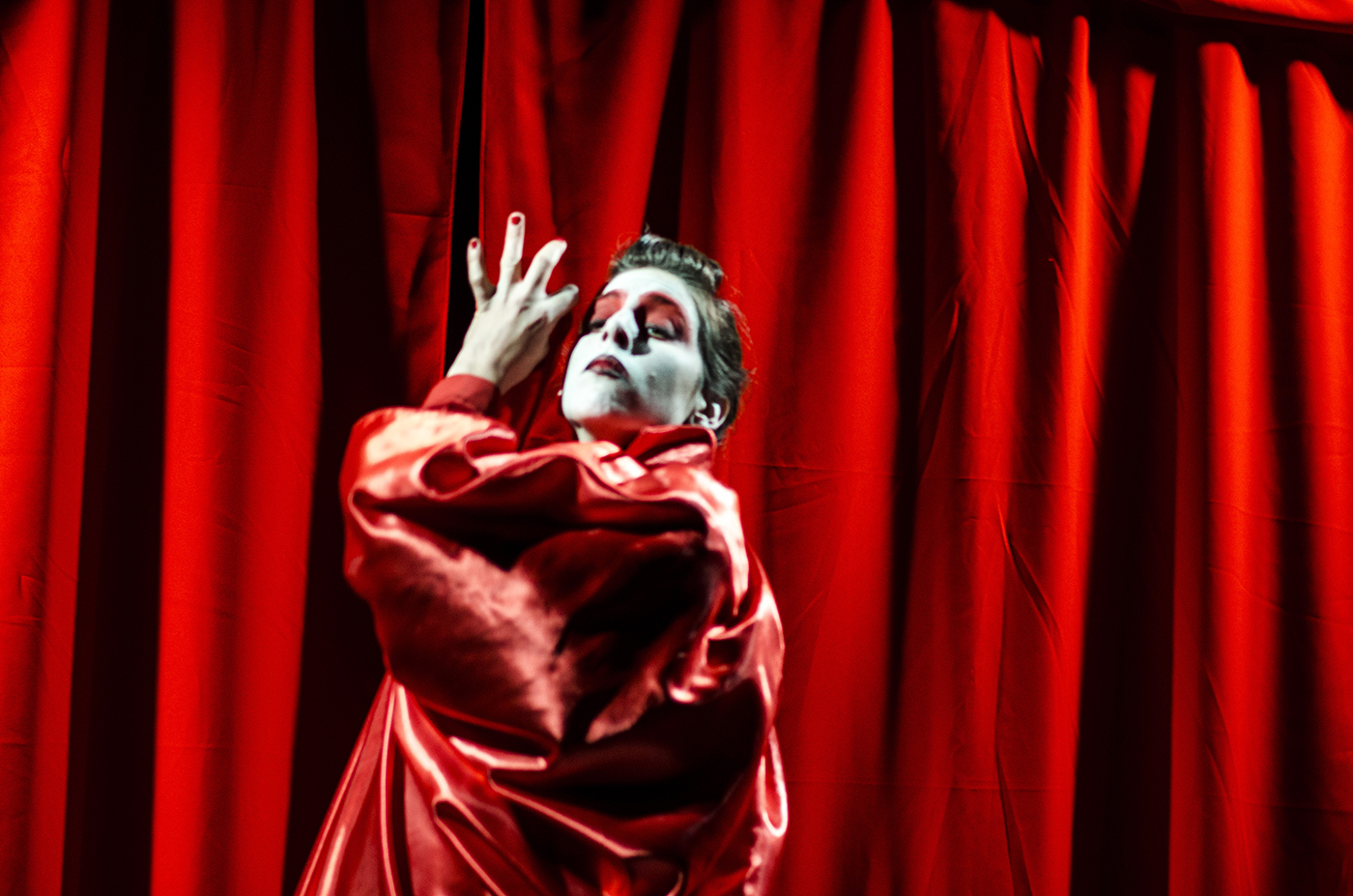
The staging reimagined the fairy tale through an all-female cast performing both female and male roles. Instead of presenting the male characters through conventional gender impersonation, the production situated them within an androgynous, dark and gothic universe. The Prince became a vampire, shifting the focus away from binary representations of gender toward characters driven by desire, social aspiration and belonging. Cinderella herself was conceived not as an idealised heroine but as a figure whose passivity exposes the mechanisms through which feminine ideals are socially constructed.
The relationship with the architectural space became another defining element of the production. The performance extended beyond the stage: the Prince entered through the theatre’s front door, scenes unfolded through the windows facing the street, and the neighbourhood itself became part of the scenic landscape. These interventions dissolved the boundaries between theatre and everyday life, proposing opera as an accessible, living practice capable of engaging audiences beyond institutional venues.
Press
“We wanted to highlight the fact that Cinderella’s attitude is passive: her reward comes from doing nothing. She simply waits patiently, behaves as expected in order to fulfill her desire of being with the prince. The dress is not for her; it is for the prince to choose her, that other figure who has the power to choose whoever he wants.”
Ópera en Argentina — Cenicienta andrógina
“Here we create from proposals that take shape and become defined through rehearsals, in the chaos of everyone working simultaneously, but with the richness of creating together with the performers, who are the ones who embody what is possible.”
Credits
Music
Pauline Viardot
Version
German Ivancic & Juan Pablo Llobet Vallejos
Production
Barbados, artes escénicas
Stage Direction
German Ivancic
Musical Direction & Piano
Juan Pablo Llobet Vallejos
Set Design
Diego Ernesto Rodríguez
Lighting Design
Rodrigo González Alvarado
Costume Design
María Belén Calabró
Make-up Design
Vanesa Robles
Vanina Ramírez
Scenography Construction
Osvaldo Malizia
Assistant Director
Raúl Moreschi
Graphic Design
Mariano Ivancic
Cast
Adriana Arregui Rodríguez — Le Baron
Carolina Paredes — Armelinde
Gabriela Bogo — Maguelonne
Lelia Couselo — Cendrillon
Lucía Alonso Moser — Le Prince
Malvina Melchior — Cover Armelinde
Natalia Albero — Barigoule
Natalia Bereskyj — La Fée