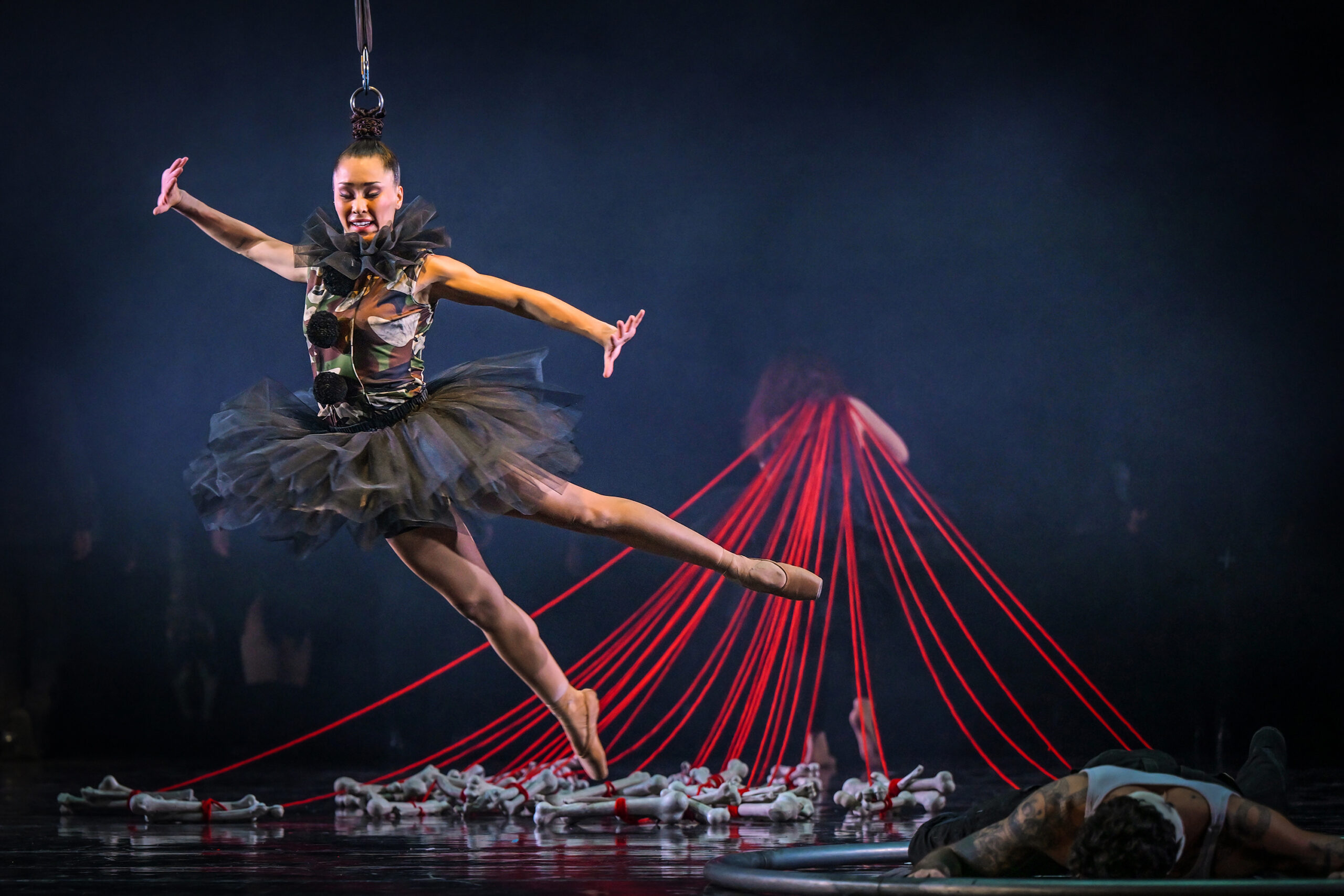
María de Buenos Aires
Astor Piazzolla · Horacio Ferrer
Dancer · Modern Tango · Artistic Advisor in Argentine Culture · Movement Development
María de Buenos Aires is a tango operita by Astor Piazzolla and Horacio Ferrer that explores the life, death and rebirth of its protagonist within the urban landscape of Buenos Aires. Blending tango, poetry, theatre, dance and surreal imagery, the work portrays the city as a space of desire, loneliness, transformation and human connection.
Pfalztheater
Pfalztheater Kaiserslautern · Germany · 2024
Documentation
Context and Artistic Process
The production approached María de Buenos Aires as a poetic exploration of the city as a living organism. Piazzolla and Ferrer’s work was understood through its deeper questions about urban existence: identity, migration, social tensions, love, loss and the search for belonging within contemporary city life.
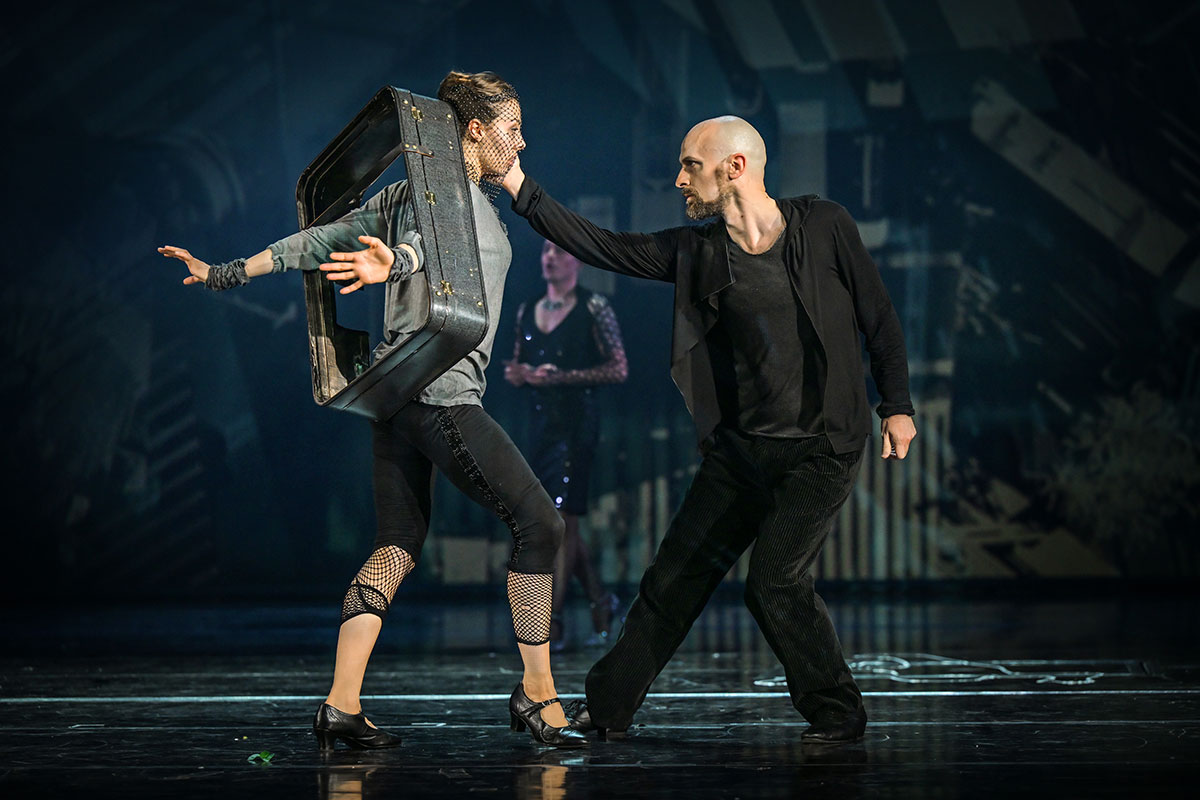
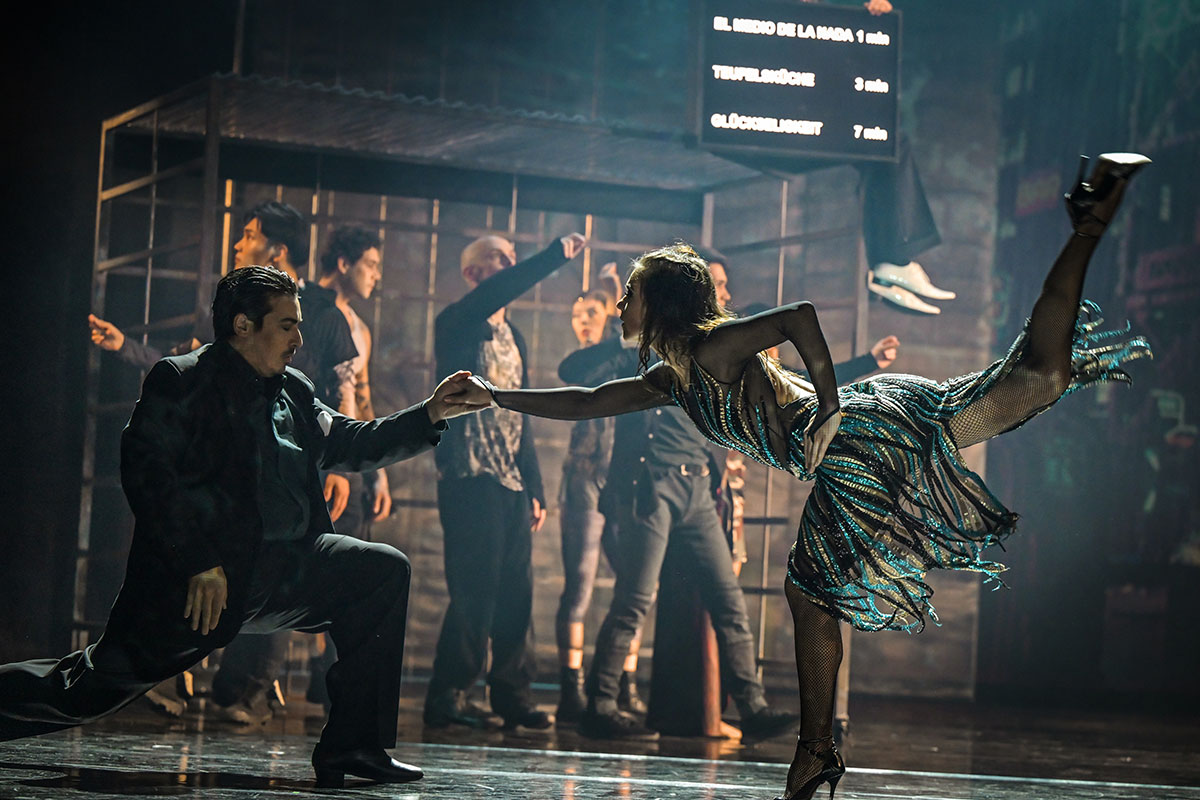
As artistic advisor in Argentine culture and collaborator in movement development, I contributed to the exploration of tango beyond its traditional imagery. The process focused on understanding tango as an embodied language of encounter, improvisation and relationship between bodies — a practice born from cultural crossings, migration and the diverse communities that shaped Buenos Aires.
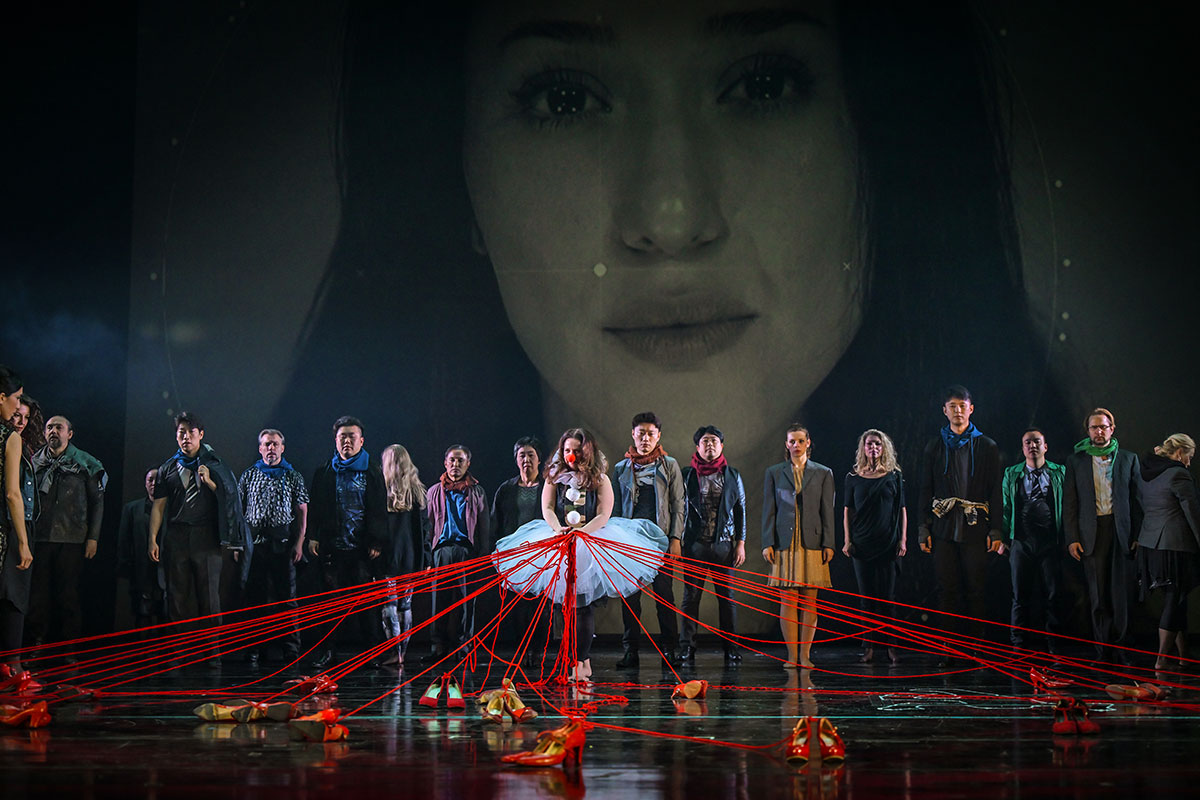
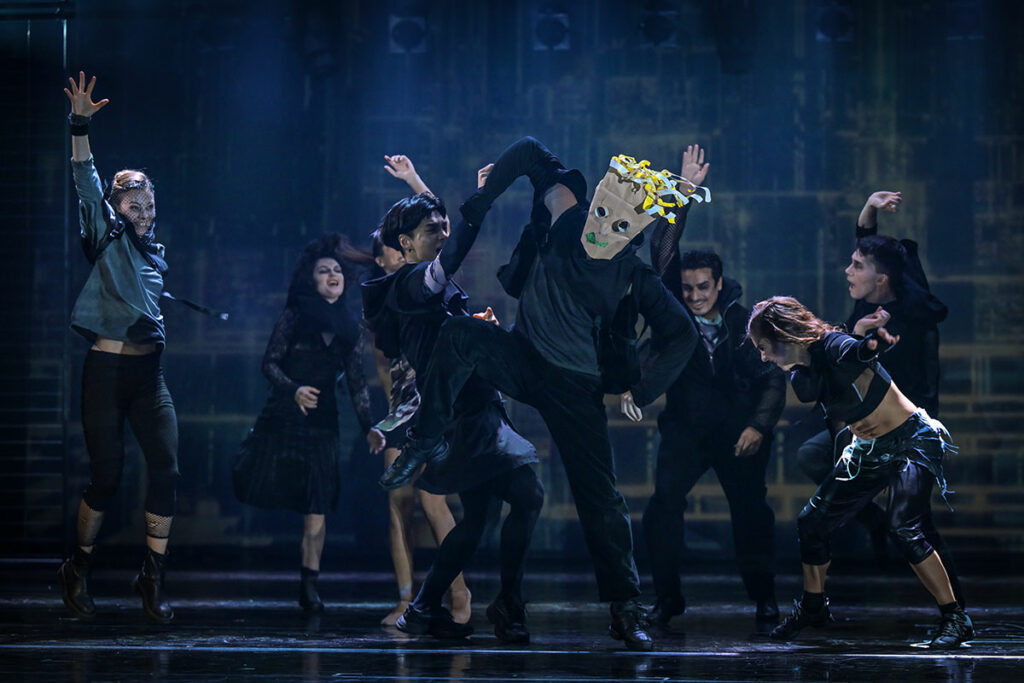
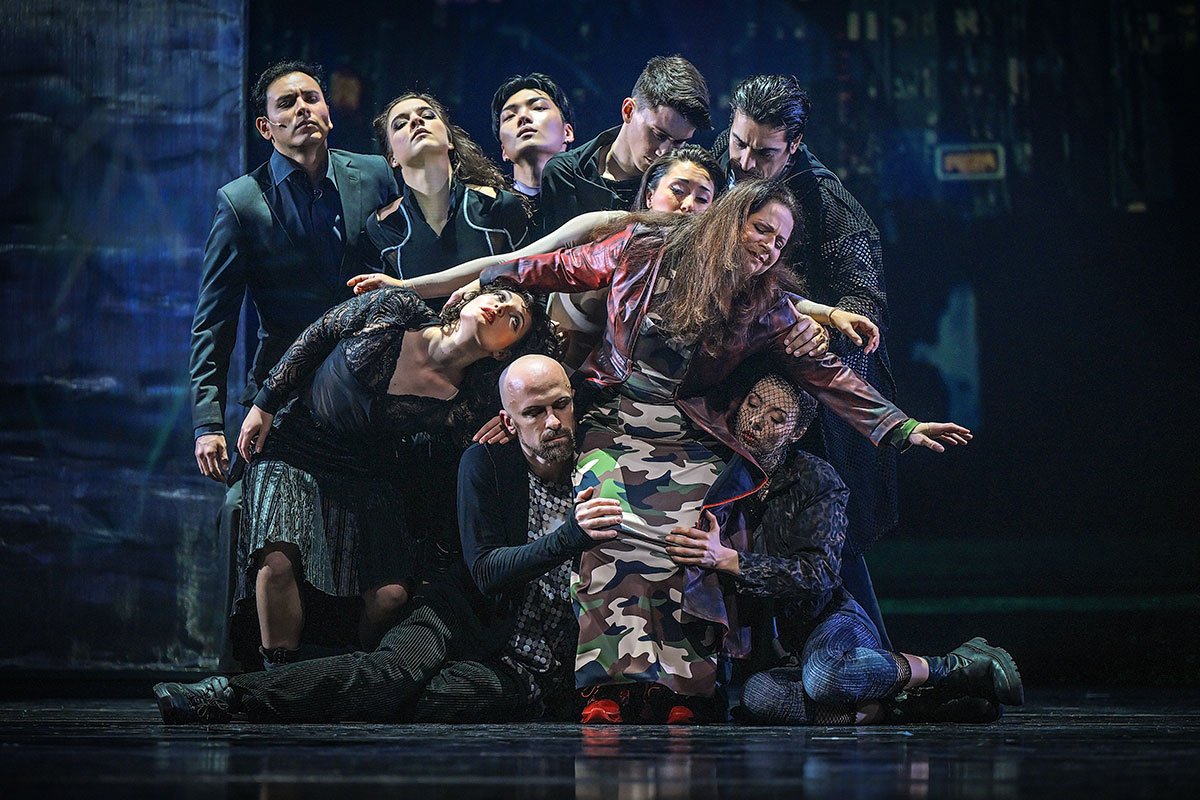
The choreographic work developed a dialogue between tango, contemporary movement and theatrical expression. Rather than reproducing established tango codes, the movement language explored the emotional and social dimensions of the city: encounters, isolation, collective rhythms and the constant negotiation between individuals sharing the same urban space. The dancers and performers became part of a larger choreographic landscape, reflecting the flows and tensions of metropolitan life.
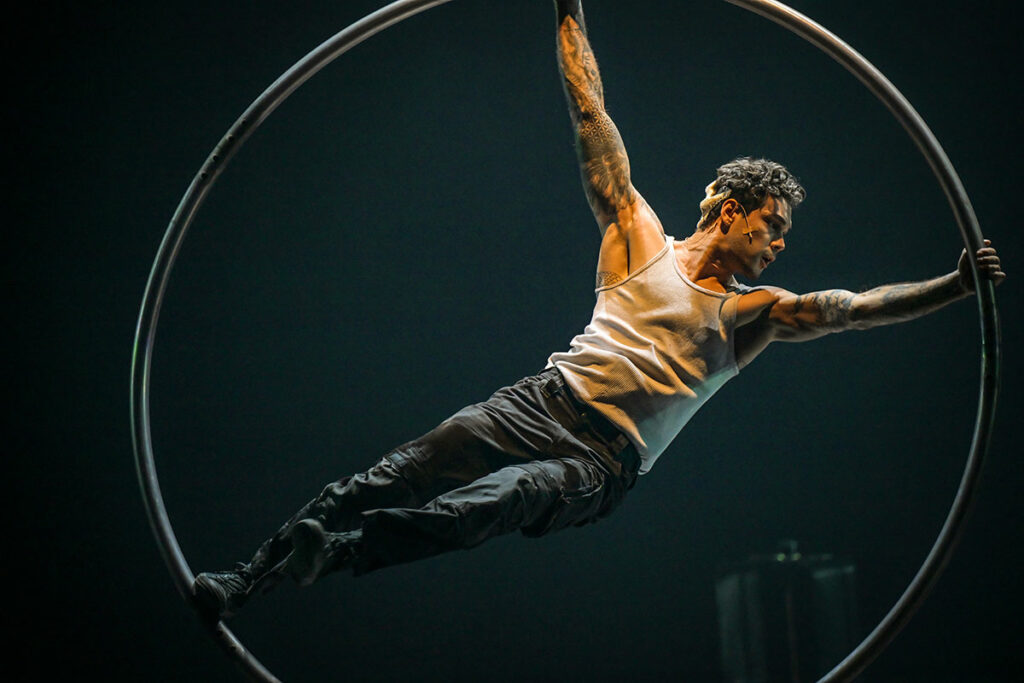
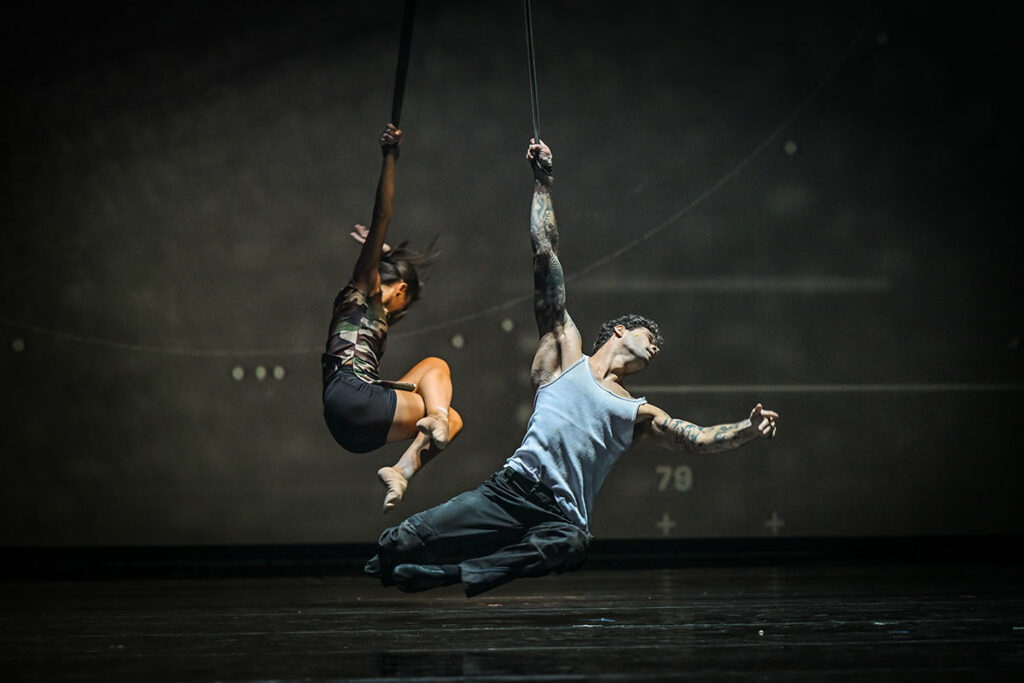
The production expanded the original universe of Piazzolla and Ferrer through a multidisciplinary approach combining music, theatre, dance, acrobatics and contemporary visual technologies. The city was transformed into a symbolic environment where real and imaginary worlds coexist, allowing María’s journey between life, death and rebirth to resonate as a universal human experience.
Credits
María de Buenos Aires
Astor Piazzolla · Horacio Ferrer
Music: Astor Piazzolla
Text: Horacio Ferrer
Additional texts by Italo Calvino from Invisible Cities
Adaptation: Martina Veh
Production: Pfalztheater Kaiserslautern
Direction & Choreography: Martina Veh
Musical Direction: Anton Legkii
Artistic Advice in Argentine Culture: German Ivancic
Set Design: Christl Wein Engel
Video Design: WE ARE VIDEO (Raphael Kurig, Christian Gasteiger)
Lighting Design: Manfred Wilking
Dramaturgy: Andreas Bronkalla
Choir Direction: Aymeric Catalano
Assistant Director: Alicia Mayer
Choreographic Assistant: Anna Angelini
Argentine Spanish Coach: Tamara Jazmín Odón
Cast
Maria: Astrid Voßberg
El Duende: Jonathan Möller Montenegro
La Sombra de María: Andrea Cisterna Muñoz
Payador / Gorrión / Psychoanalyst / Voz de Domingo: Oscar Oré
Narrator: Olaf Becker
Dance & Movement Development
Anna Angelini
Astria Apel
Mariano Galeano
Saskia Hamala
Hojoon Moon
German Ivancic
Alberto Pagani
Tango Argentino & Choreographic Development
Astria Apel
Mariano Galeano
Modern Tango
German Ivancic