de UNA
Platform for Emerging Performing Arts from the National University of the Arts
Artistic Coordination
Barbados Artes Escénicas
Machado Teatro · Buenos Aires, Argentina · 2017–2018
Overview
de UNA was a performance series dedicated to showcasing artistic works created within the Universidad Nacional de las Artes that often remained confined to the classroom. Bringing together projects from Dramatic Arts, Movement Arts, and Music, the cycle created a bridge between academic artistic production and the independent performing arts scene.
By presenting these works in a professional theatre environment, de UNA encouraged encounters between emerging artists and audiences while supporting the transition from academic training to professional artistic practice.
The project originated from “Gestionar para resistir”, an artistic management residency developed by Julieta Mazzoni.
Concept
Many remarkable artistic works created within universities are experienced only by classmates and faculty before disappearing into academic archives. de UNA sought to extend the life of these projects by relocating them into the public sphere.
The cycle invited audiences to encounter works developed in university courses while offering students the experience of presenting their creations within a professional theatre context. Beyond visibility, the project contributed to the professional development of emerging performers, composers, directors, and creators by connecting them with audiences and the wider independent arts community.
Documentation
Impact
- 2 editions (2017–2018)
- 19 projects presented
- 40+ emerging artists and composers
- Bridge between the National University of the Arts and Buenos Aires’ independent performing arts scene
- Public platform for emerging theatre, dance, and music creators
- Professional presentations hosted at Machado Teatro
- Projects spanning theatre, dance, performance, and contemporary music composition
Editions
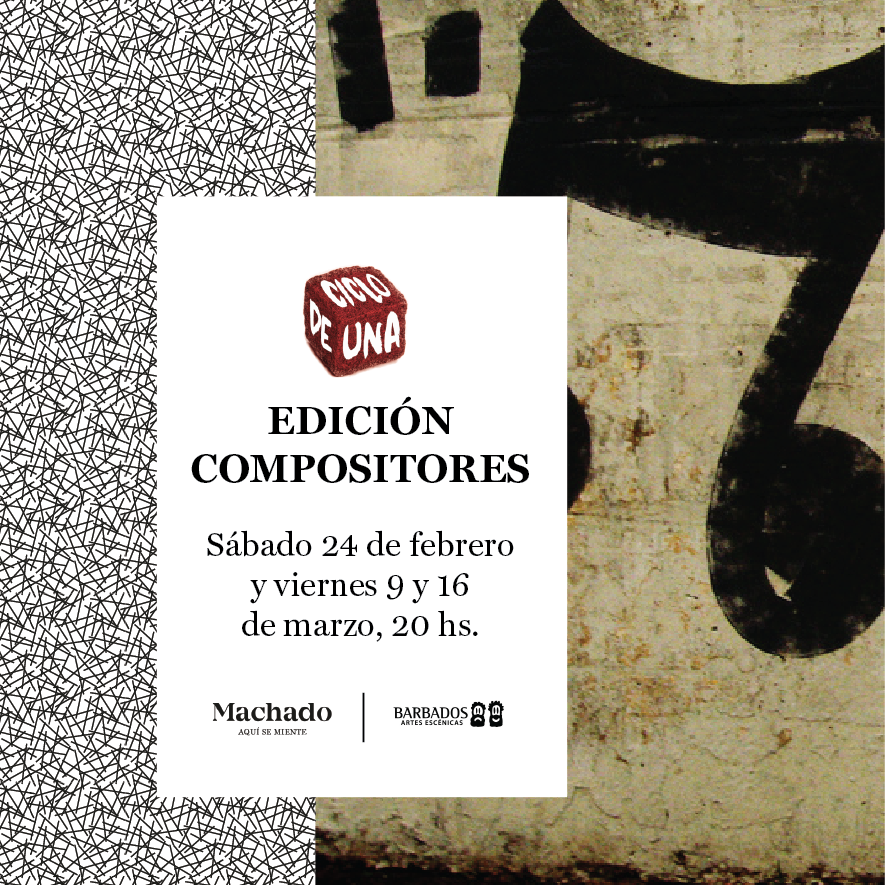
2018 — Music Composition Edition
The second edition was dedicated entirely to contemporary music composition, inviting performers to premiere works developed within the National University of the Arts. By bringing composers and musicians together in a professional concert setting, the cycle extended academic production beyond the classroom and into the public sphere.
The program featured works by Nicolás Fabio, Lucas Zampaglione, Tomás Grau Baena, Analía de la Fuente, Sebastián Dröszler, Giuliana Di Pietro, Fernando Strasnoy, Flavio Romanelli, Lautaro Figueroa, Manuel Valverde, Ivonne Subía Oviedo, Federico Kersner, and Joaquín Antón.
2017 — Performing Arts Edition
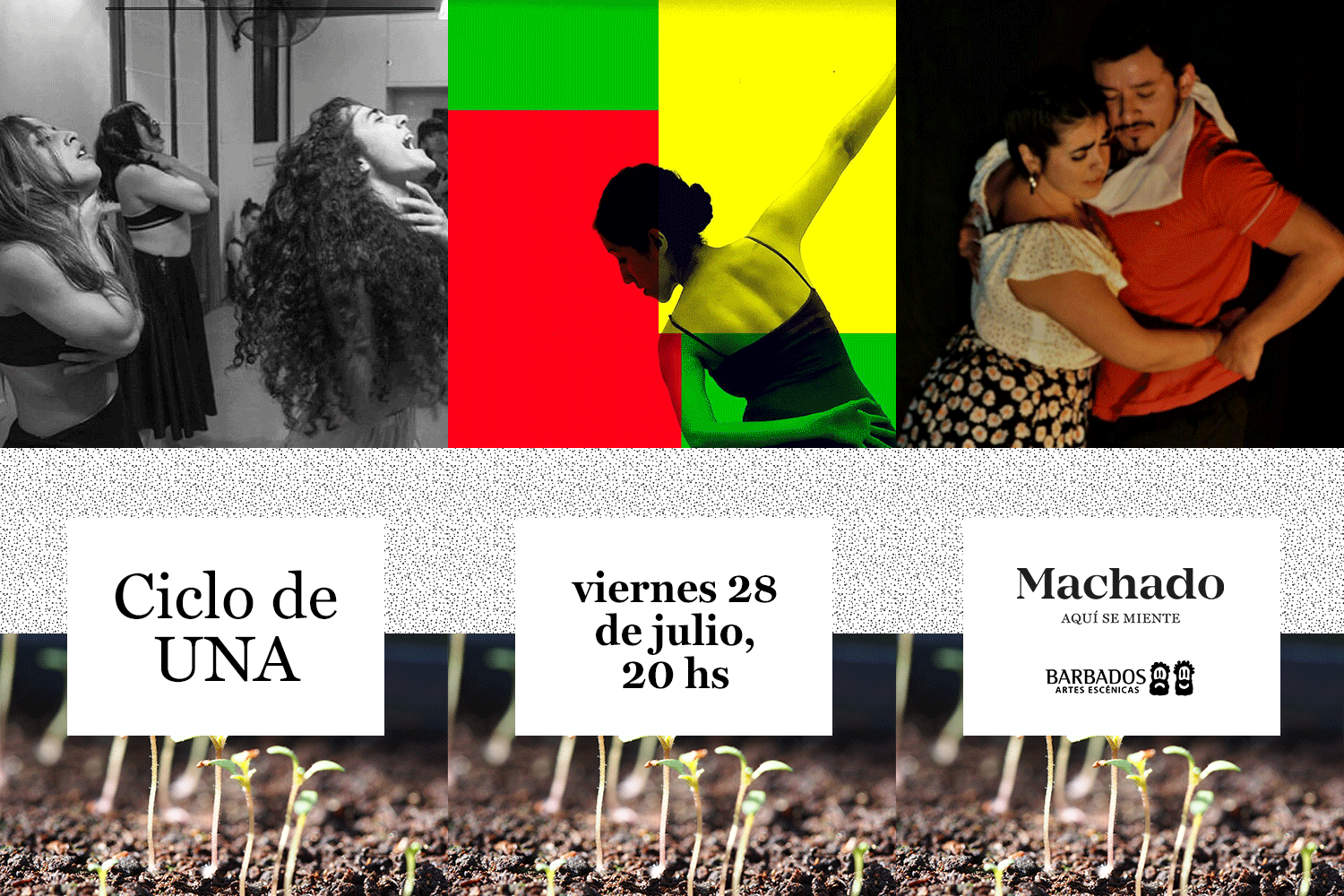
The inaugural edition presented six works developed within the National University of the Arts across theatre, dance, and performance. Together, they reflected a broad range of artistic and political concerns—from the body as a site of resistance and labor struggles to collective memory, social activism, identity, and female agency.
Featured works included:
- Cuando el viento sopla más fuerte
- Corpórea
- La Máquina Singer
- ¿Cómo se llama la obra?
- El Otro País
- Bárbara y Julia en Thelma y Louise
All performances were presented at Machado Teatro, reinforcing the cycle’s mission of connecting academic artistic production with the independent cultural sector and supporting the professional development of emerging artists.